Our Services
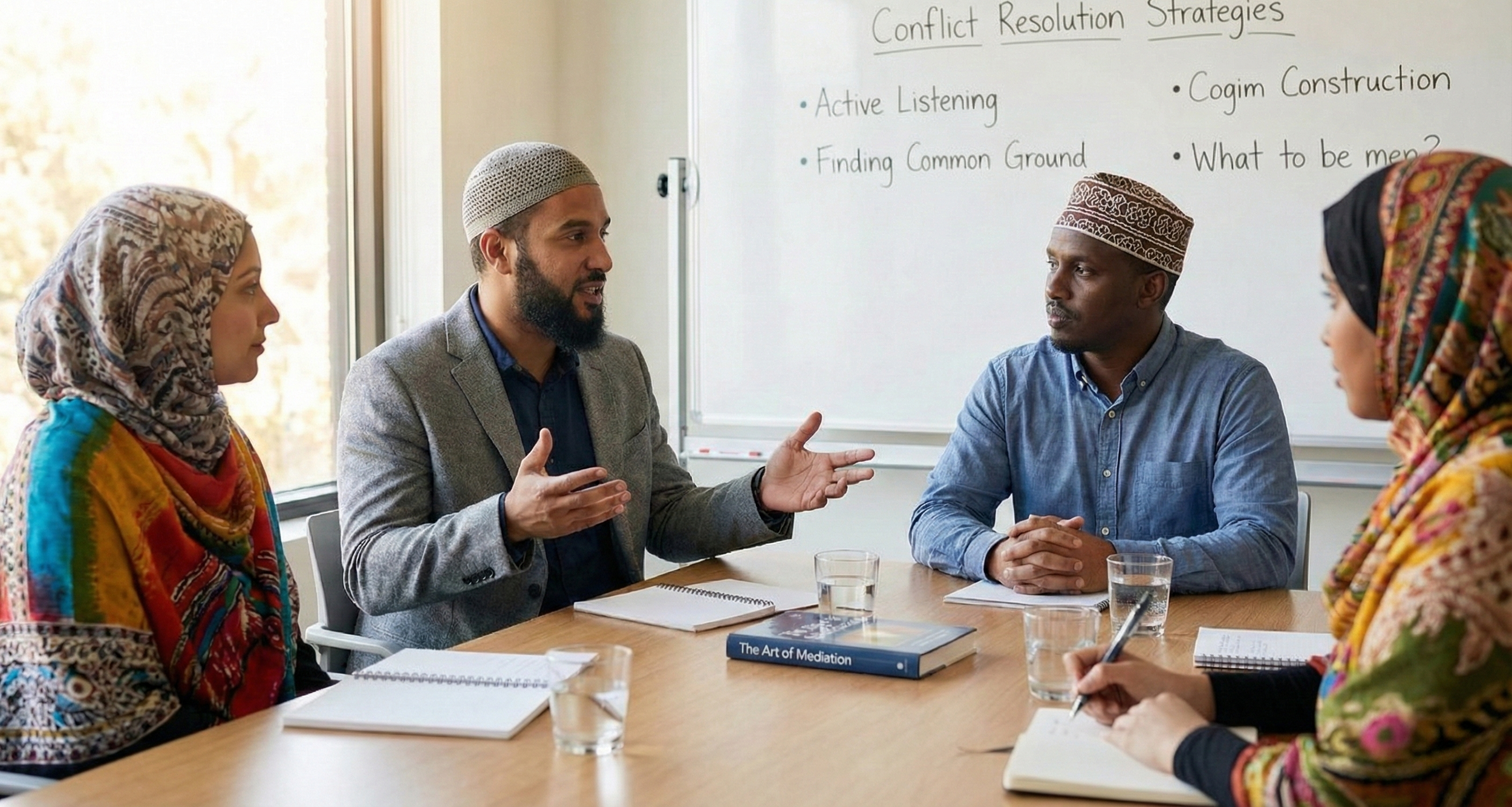
EDM 1001: Conflict ResolutionDescription
The process of finding a peaceful solution to disputes by collaborating with others is known as a conflict resolicit resolution. It helps us, personally and professionally, to strengthen relationship, improve productivity, generates healthier and more collaborative environment. The central theme of this course is to build the counseling skills and conflict resolutions. It provides discussions on styles of conflict resolution such as accommodation, avoidance, collaboration and compromise, as well as the strategies of conflict resolution including negotiations, mediation, arbitration and reconciliation
Aim
To equip leaners with skills of finding a peaceful resolution for real and perceived conflicts, and establish a plan for moving forward.
Course contents
This course addresses the following themes:
Unit 1: Core skills
Unit 2: Basic steps
Unit 3: Strategies of resolving conflicts
Resources/reading materials:
Format
3-Week Course (2-hour session per week)
Schedule
Mondays, 3:00pm – 5:00pm (Online) [or] 6:00pm – 8:00pm (In-Person)
January
Session 1: Jan 5th
Session 2: Jan 12th
Session 3: Jan 19th
February
Session 1: Feb 2nd
Session 2: Feb 9th
Session 3: Feb 16th
March
Session 1: Mar 2nd
Session 2: Mar 9th
Session 3: Mar 16th
April
Session 1: Apr 6th
Session 2: Apr 13th
Session 3: Apr 20th
May
Session 1: May 4th
Session 2: May 11th
Session 3: May 18th
Certificate
Certificate of course attendance will be provided upon course completion
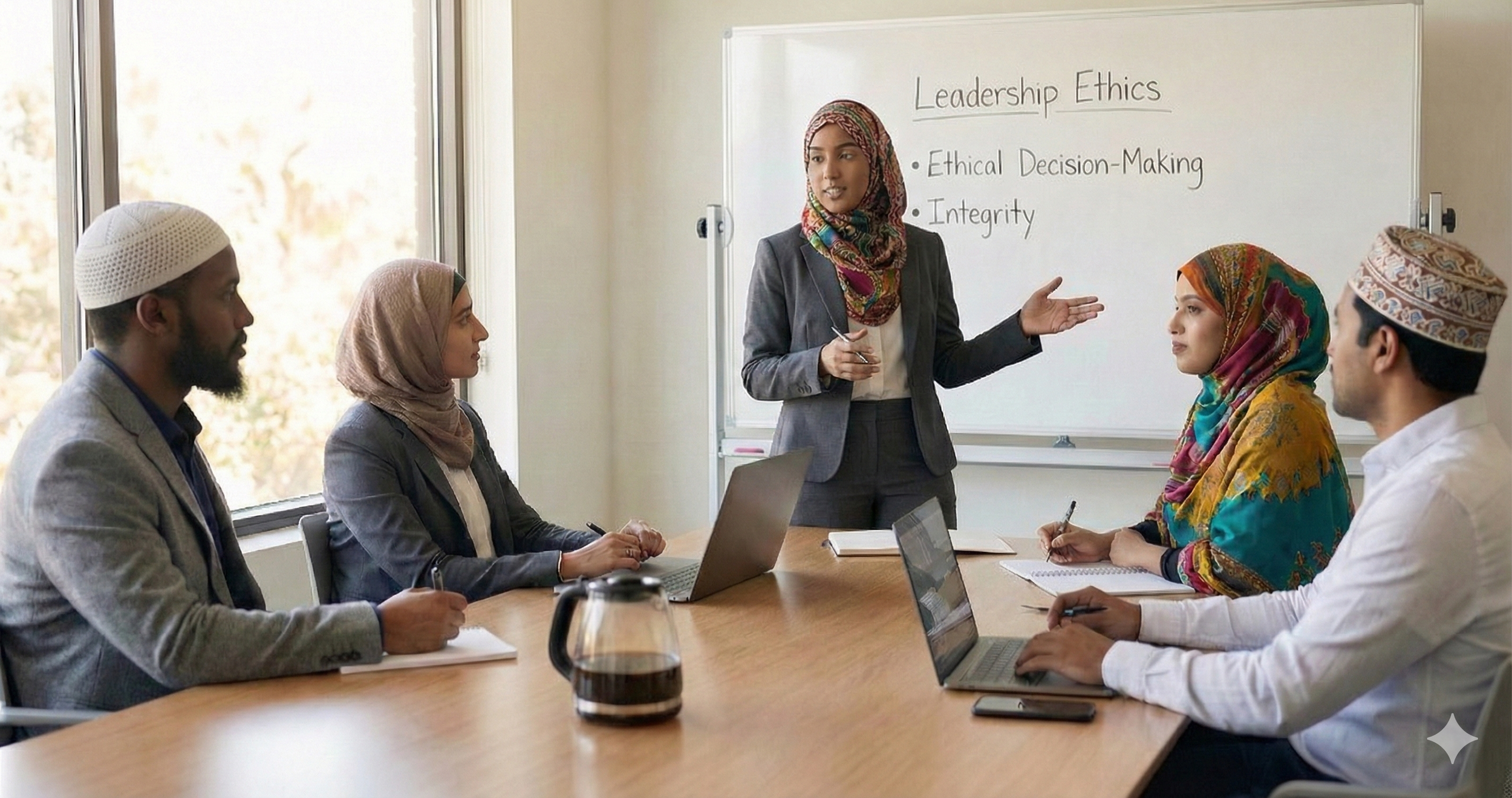
EDM 1003: Leadership Ethics Training
Description
This course introduces learners to the principles and practices of ethical leadership, emphasizing how leaders influence values, culture, and integrity within organizations. Learners will explore models of ethical decision-making, moral character, responsible influence, and strategies for shaping ethical workplace environments. Through case studies, discussions, and applied exercises, this course strengthens the ability to lead with fairness, transparency, and moral responsibility.
Aim
To enhance leaders’ capability to act ethically, inspire moral behavior, and establish systems of accountability, enabling them to respond effectively to ethical challenges within diverse organizational settings.
Course Contents
Unit 1: Foundations of Ethical Leadership
Unit 2: Motivating Ethical Behavior in Organizations
Unit 3: Ethical Decision-Making & Accountability
Format
3-Week Course (2-hour session per week)
Schedule
Wednesday, 3:00pm – 5:00pm (Online) [or] 6:00pm – 8:00pm (In-Person)
January
Session 1: Jan 7th
Session 2: Jan 14th
Session 3: Jan 21st
February
Session 1: Feb 4th
Session 2: Feb 11th
Session 3: Feb 18th
March
Session 1: Mar 4th
Session 2: Mar 11th
Session 3: Mar 18th
April
Session 1: Apr 1st
Session 2: Apr 8th
Session 3: Apr 15th
May
Session 1: May 6th
Session 2: May 13th
Session 3: May 20th
Certificate
Certificate of course attendance will be provided upon course completion

EDM 1005: Family Management EthicsDescription
In 2018 data shows that the rate of divorce rose to 7.7 per 1,000 women in Minnesota. Even though this rate is low compare to other states in the US, however this rate is still high and require stakeholders to develop strategies to bring down the rate of family breakdown. It is true that measures such self-care and building supportive network play an essential role in stable marital life. In the meantime, offering educational programmes that are set to educate couples, particularly millennials, on the skills of family management are timely needed.
This programme targets couples who are engaged, newlywed and married couples who intends to know more about the significancy, aims and conditions of marital life. Its core elements are nurturing relationships, guidance and teaching, fostering well-being, developing responsibility, etc. It also addresses elements of parenthood. Parenthood involves raising a child, which involves providing care, guidance, and love to help them develop into a well-rounded adult.
Aims
To understand ways and means of fostering a stable, supportive environment by defining shared values and promoting respect, unity, and a strong sense of identity within the family.
Course contents:
Unit 1: Pre-marriage course
Marital life and its significancy
Marriage
Marital life aims
Unit 2: Family management skills
Problem-solving
Decision-making
Communication
Adaptability
Unit 3: Skills of Parenthood
Emotional regulation
Positive encouragement
Conflict resolution
Promoting independence
Love and caring
Crises management
Format
3-Week Course (2-hour session per week)
Schedule
Thursday, 3:00pm – 5:00pm (Online) [or] 6:00pm – 8:00pm (In-Person)
January
Session 1: Jan 1st
Session 2: Jan 8th
Session 3: Jan 15th
February
Session 1: Feb 5th
Session 2: Feb 12th
Session 3: Feb 19th
March
Session 1: Mar 5th
Session 2: Mar 12th
Session 3: Mar 19th
April
Session 1: Apr 2nd
Session 2: Apr 9th
Session 3: Apr 16th
May
Session 1: May 7th
Session 2: May 14th
Session 3: May 21st
Certificate
Certificate of course attendance will be provided upon course completion
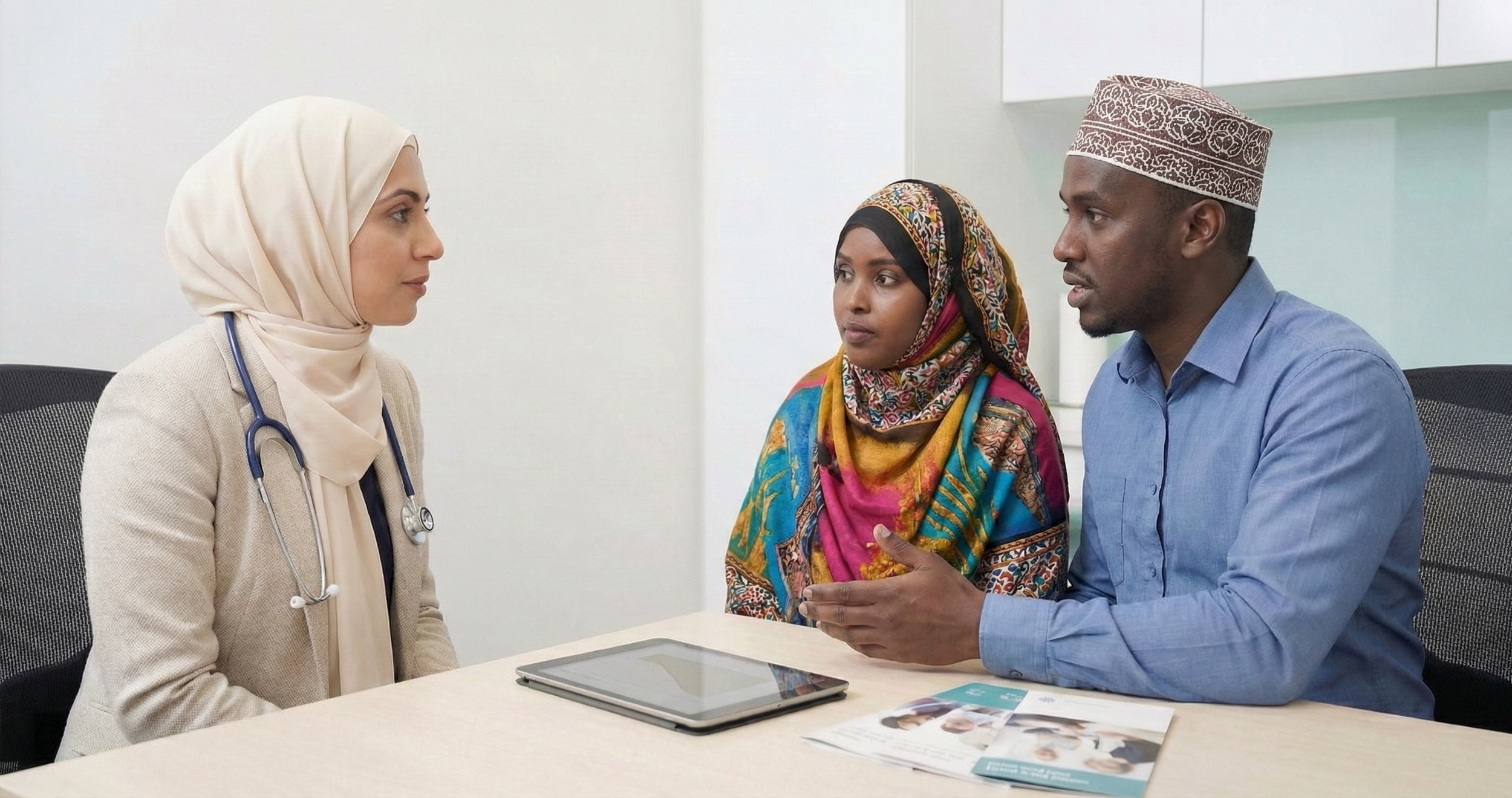
EDM 1002: Integrated Bioethical EducationDescription
Reproductive health refers to a state of physical, mental and social well-being in all matters relating to the reproductive system. It encompasses the ability to have a safe and fulfilling sexual life, the capacity to conceive and bear children, and access to essential services such as contraception, family planning, prevention and treatment of sexually transmitted infections, miscarriage care, infertility management and the identification of environmental or occupational risks.
Aim
To clarify complex ethical issues related to reproductive health and equip learners with the knowledge and skills to examine these issues through ethical, cultural, legal and social frameworks—promoting informed, responsible and culturally sensitive decision-making in healthcare contexts.
Contents
Unit 1: Basics of Reproductive Health and Bioethics
Unit 2: Ethical Issues and Cultural–Legal Perspectives in Reproductive Health
Unit 3: Applied Ethical Decision-Making in Healthcare Practice
Reading materials
Hashi, Abdurezak A. (2021). Bioethics: The Values of Life in the Age of Advancing Biosciences.
Format
3-Week Course (2-hour session per week)
Schedule
Tuesdays, 3:00pm – 5:00pm (Online) [or] 6:00pm – 8:00pm (Face to Face)
January
Session 1: Jan 6th
Session 2: Jan 13th
Session 3: Jan 20th
February
Session 1: Feb 3rd
Session 2: Feb 10th
Session 3: Feb 17th
March
Session 1: Mar 3rd
Session 2: Mar 10th
Session 3: Mar 17th
April
Session 1: Apr 7th
Session 2: Apr 14th
Session 3: Apr 21st
May
Session 1: May 5th
Session 2: May 12th
Session 3: May 19th
Certificate
Certificate of course attendance will be provided upon course completion
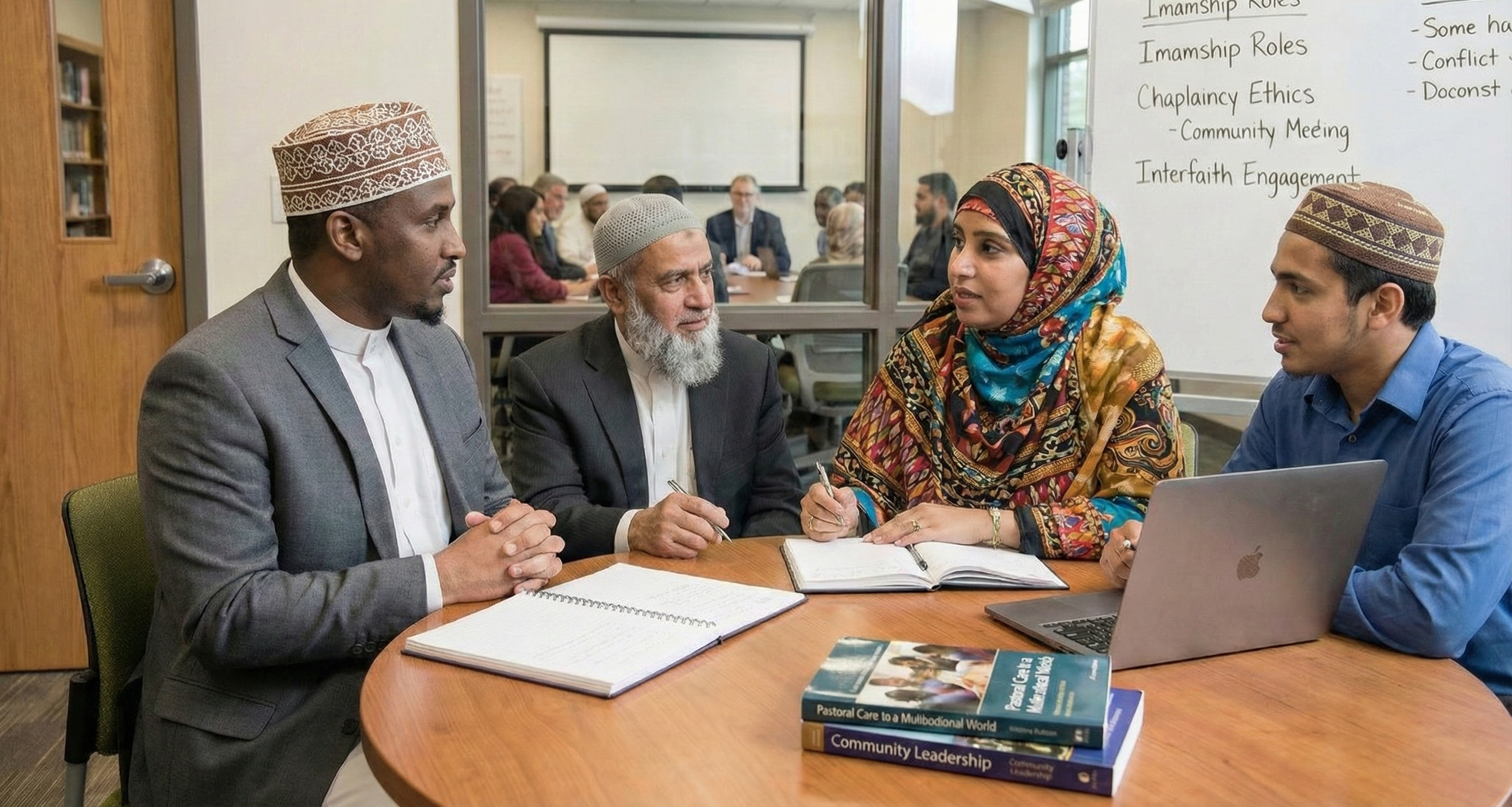
EDM 1006: Imams and Muslim ChaplainsDescription
Recent community records indicate that Minnesota alone has over 75 Muslim community centers and mosques providing daily religious, educational, and social services. With the rapid growth of Muslim communities and the increasing diversity of their multicultural and multiracial environments, the need for professionally trained imams and chaplains has become more urgent.
While many imams provide essential religious guidance and Islamic knowledge, there is a growing expectation that they also possess formal training in Islamic law, theology, ethics, pastoral care, and community leadership. This course aims to address this need by offering a structured introduction to the academic, spiritual, and practical competencies required for effective imamship and Muslim chaplaincy.
The program integrates theological foundations with contemporary skills, preparing imams and Muslim community leaders to respond to social complexities, support families, guide youth, and engage communities. It also covers modern challenges such as interfaith engagement, mental health awareness, community organizing, conflict resolution, and navigating life in a multicultural society.
Aim:
To equip imams and Muslim community leaders with effective, hands-on psycho-social, pastoral, and leadership skills needed to respond to contemporary challenges within multicultural and multifaith environments.
Components
Unit 1: Imamship Roles Training
Unit 2: Muslim and Interfaith Chaplaincy
Unit 3: Community and Social Engagement
Format
3-Week Course (2-hour session per week)
Schedule
Saturdays, 3:00pm – 5:00pm (Online) [or] 6:00pm – 8:00pm (In-Person)
January
Session 1: Jan 3rd
Session 2: Jan 10th
Session 3: Jan 17th
February
Session 1: Feb 7th
Session 2: Feb 14th
Session 3: Feb 21st
March
Session 1: Mar 7th
Session 2: Mar 14th
Session 3: Mar 21st
April
Session 1: Apr 4th
Session 2: Apr 11th
Session 3: Apr 18th
May
Session 1: May 2nd
Session 2: May 9th
Session 3: May 16th
Certificate
Certificate of course attendance will be provided upon course completion
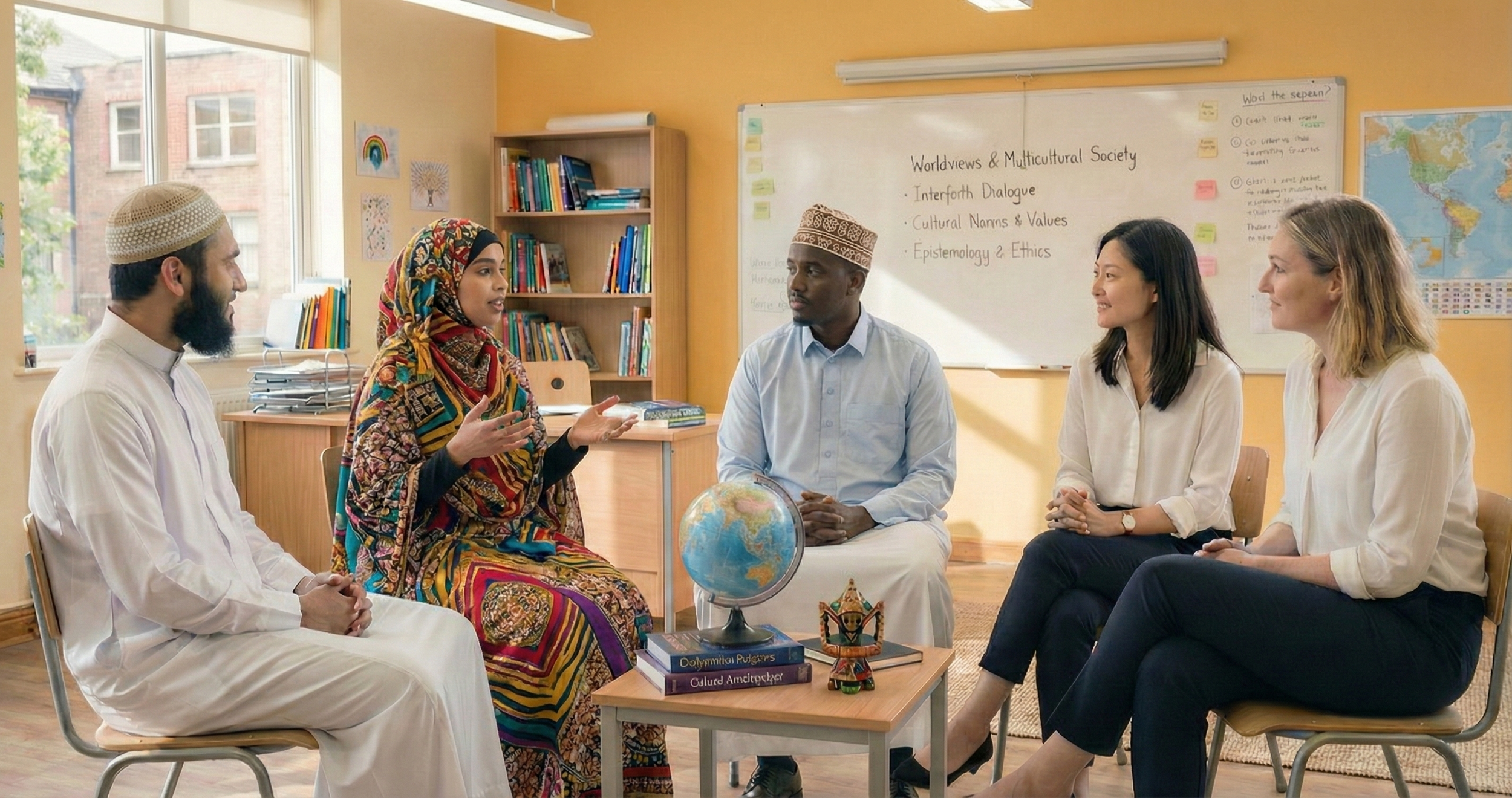
EDM 1004: Worldviews & Multicultural SocietyDescription
This course provides an interdisciplinary exploration of worldviews and belief systems, examining how they influence individual identity, cultural development, social behavior, and inter-religious interactions. Students will study fundamental philosophical concepts—ontology, epistemology, and axiology—and analyze how differing worldviews shape moral reasoning, social values, and cultural norms. Through reflective learning, case studies, and interactive dialogue, students will develop intercultural sensitivity and interfaith literacy. The course prepares learners to engage constructively in diverse environments, reduce cultural misunderstandings, and promote harmonious relations in multicultural societies.
Aim
To foster mutual respect, deepen intercultural and interfaith understanding, and enhance communication skills required for effective engagement in culturally diverse and pluralistic environments.
Duration
Total Duration: 6 hours (3 sessions).
Course Contents
UNIT 1: Foundations of Worldviews
UNIT 2: Worldviews and Culture
UNIT 3: Interfaith Dialogue and Multicultural Engagement
Reading materials
Hashi, Abdurezak A. (2016), Worldviews and Belief Systems: A Comparative Introduction
Format
3-Week Course (2-hour session per week)
Schedule
Sundays, 3:00pm – 5:00pm (Online) [or] 6:00pm – 8:00pm (In-Person)
January
Session 1: Jan 4th
Session 2: Jan 11th
Session 3: Jan 18th
February
Session 1: Feb 1st
Session 2: Feb 8th
Session 3: Feb 15th
March
Session 1: Mar 1st
Session 2: Mar 8th
Session 3: Mar 15th
April
Session 1: Apr 5th
Session 2: Apr 12th
Session 3: Apr 19th
May
Session 1: May 3rd
Session 2: May 10th
Session 3: May 17th
Certificate
Certificate of course attendance will be provided upon course completion
EDM 1007: Charter School Advisory & Curriculum SupportThis programme provides consultation and support services to charter schools seeking to enhance the quality, equity, and cultural responsiveness of their educational practices. It assists schools in navigating academic, behavioral, and socio-emotional challenges while promoting holistic student development.
Through strategic planning, expert consultation, and targeted interventions, the programme strengthens instructional quality, improves family–school engagement, and supports culturally affirming learning environments. Guidance is provided in key areas including academic development, multicultural education, mental health support, and college/career readiness. The programme also introduces frameworks for integrating moral and values-based education into school culture.
Price will be determined later.
Format
One 2 hour session
Schedule
Mondays, 10:00am – 12:00pm (In-Person)
[or]
Wednesdays, 10:00am – 12:00pm (Online)
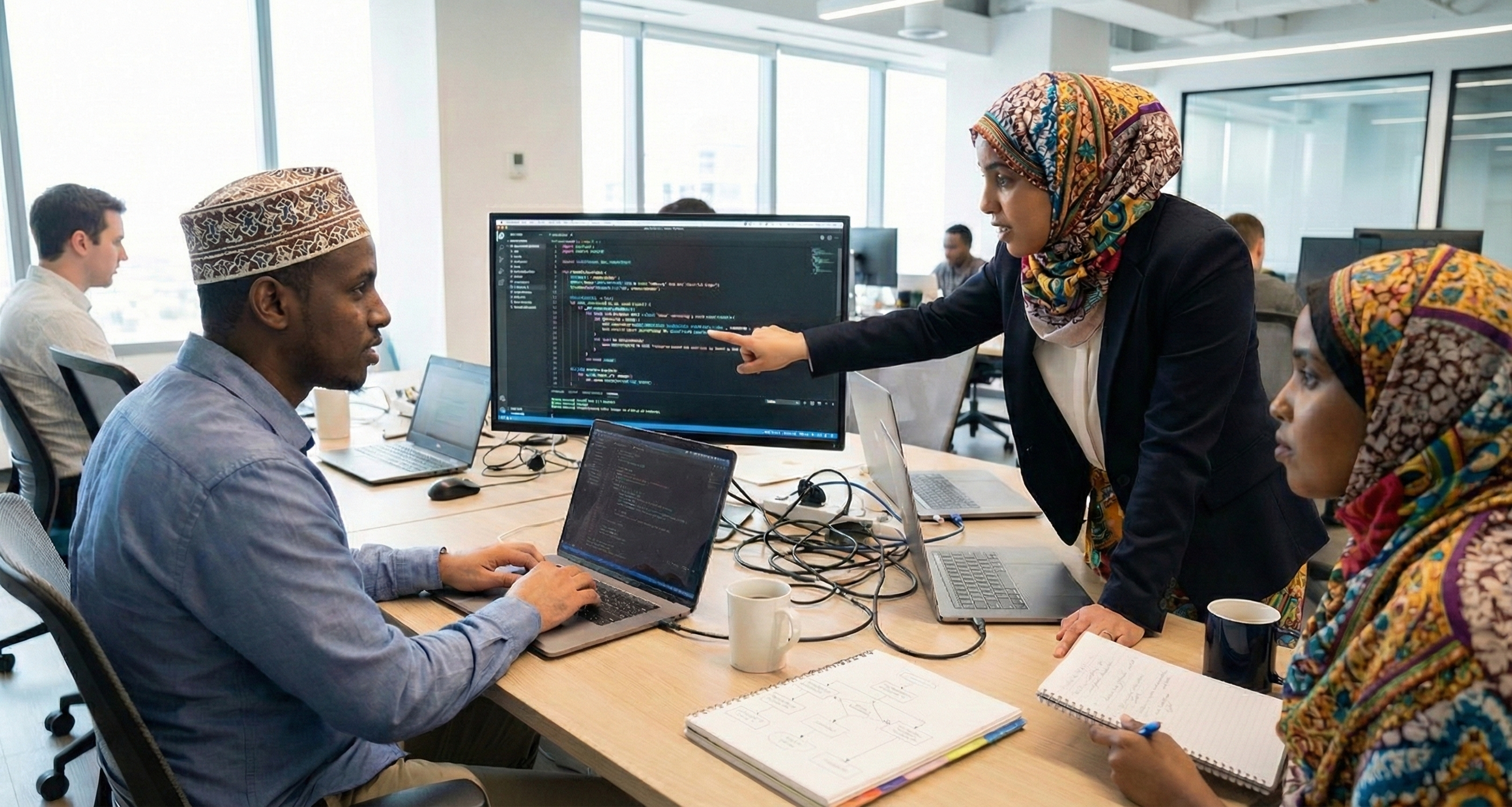
EDM 1009: Introduction to Python ProgrammingDescription
In an increasingly digital economy, coding is a critical "durable skill" required for success in modern professional and community roles. Python is a versatile, beginner-friendly language used globally for data science, web development, and automation. This course introduces students to the logic of computer science, emphasizing computational thinking—the ability to break down complex problems into small, solvable steps. This approach aligns with the Edynamis mission of fostering critical thinking, workforce readiness, and personal growth.
Aim
To equip learners with a fundamental understanding of Python syntax and logical frameworks, enabling them to write basic scripts and navigate the digital landscape with confidence.
Contents
Unit 1:Syntax and Basic Data Structures
Unit 2:Control Flow and Logic
Unit 3:Functional Programming and Modules
Reading materials
Selected Documentation from Python.org (Integrated Educational Modules).
Format
3-Week Course (2-hour session per week)
Schedule
Saturdays, 3:00pm – 5:00pm (Online) [or] 6:00pm – 8:00pm (In-Person)
January
Session 1: Jan 3rd
Session 2: Jan 10th
Session 3: Jan 17th
February
Session 1: Feb 7th
Session 2: Feb 14th
Session 3: Feb 21st
March
Session 1: Mar 7th
Session 2: Mar 14th
Session 3: Mar 21st
April
Session 1: Apr 4th
Session 2: Apr 11th
Session 3: Apr 18th
May
Session 1: May 2nd
Session 2: May 9th
Session 3: May 16th
Certificate
Certificate of course attendance will be provided upon course completion
About Edynamis Consultancy
Edynamis is a career and community development enterprise dedicated to strengthening competencies within diverse communities. We address the urgent soft-skills gap impacting workforce readiness and family stability in Minnesota and beyond.
Our approach combines academic depth with cultural awareness. We believe that sustainable development requires strong ethical foundations and the ability to navigate multicultural environments with confidence and compassion.

Contact Us
We are ready to partner with individuals, families, faith leaders, and schools. If you have questions about our workshops, pricing, or customized training programs, please fill out the form, and we will be in touch shortly.