
EDM 1009: Introduction to Python ProgrammingDescription
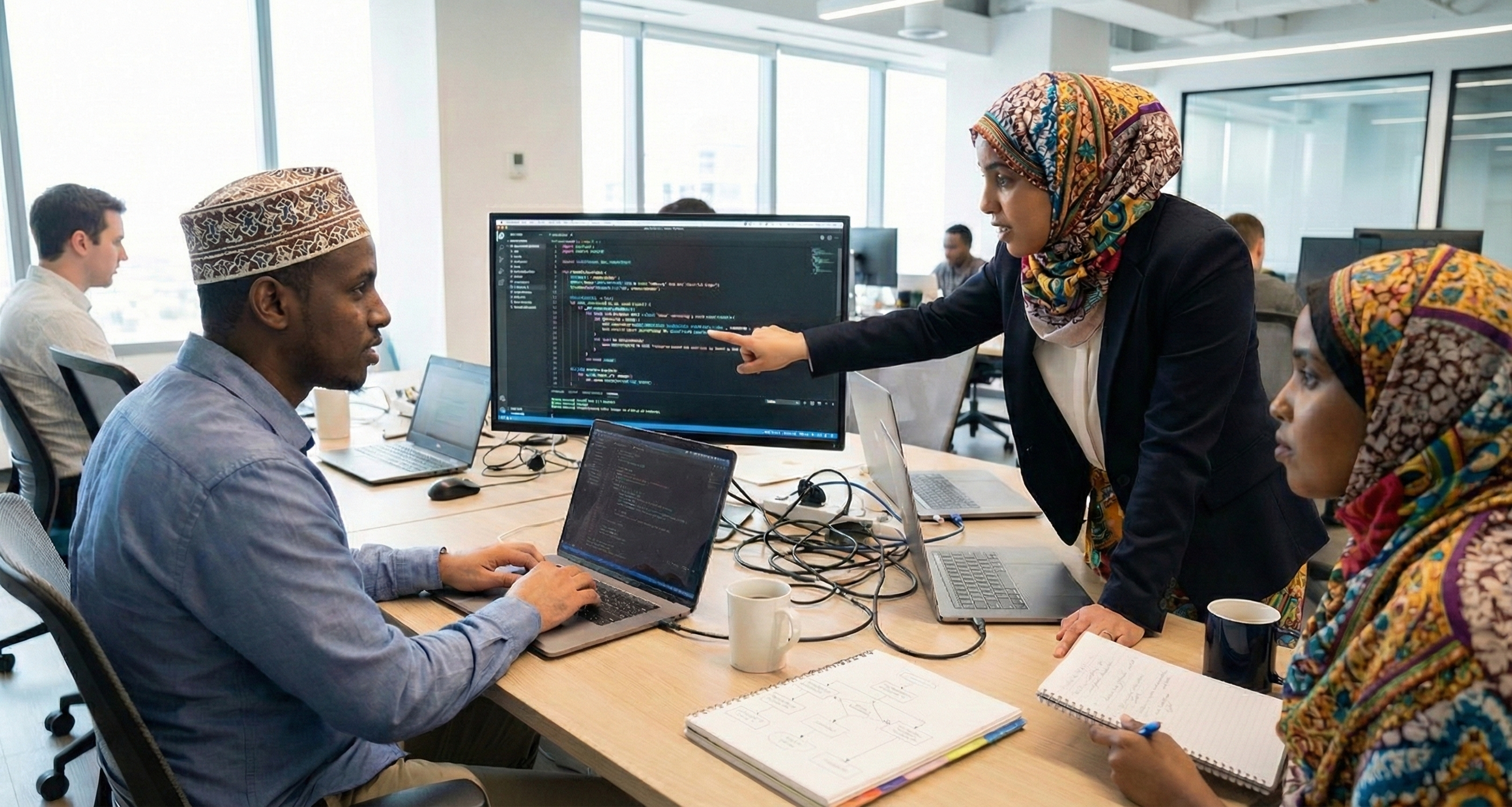
In an increasingly digital economy, coding is a critical "durable skill" required for success in modern professional and community roles. Python is a versatile, beginner-friendly language used globally for data science, web development, and automation. This course introduces students to the logic of computer science, emphasizing computational thinking—the ability to break down complex problems into small, solvable steps. This approach aligns with the Edynamis mission of fostering critical thinking, workforce readiness, and personal growth.
Aim
To equip learners with a fundamental understanding of Python syntax and logical frameworks, enabling them to write basic scripts and navigate the digital landscape with confidence.
Contents
Unit 1:Syntax and Basic Data Structures
Unit 2:Control Flow and Logic
Unit 3:Functional Programming and Modules
Reading materials
Selected Documentation from Python.org (Integrated Educational Modules).
Format
3-Week Course (2-hour session per week)
Saturdays, 3:00pm – 5:00pm (Online) [or] 6:00pm – 8:00pm (In-Person)
January
Session 1: Jan 3rd
Session 2: Jan 10th
Session 3: Jan 17th
February
Session 1: Feb 7th
Session 2: Feb 14th
Session 3: Feb 21st
March
Session 1: Mar 7th
Session 2: Mar 14th
Session 3: Mar 21st
April
Session 1: Apr 4th
Session 2: Apr 11th
Session 3: Apr 18th
May
Session 1: May 2nd
Session 2: May 9th
Session 3: May 16th
Certificate
Certificate of course attendance will be provided upon course completion
EDM 1009: Introduction to Python ProgrammingDescription
In an increasingly digital economy, coding is a critical "durable skill" required for success in modern professional and community roles. Python is a versatile, beginner-friendly language used globally for data science, web development, and automation. This course introduces students to the logic of computer science, emphasizing computational thinking—the ability to break down complex problems into small, solvable steps. This approach aligns with the Edynamis mission of fostering critical thinking, workforce readiness, and personal growth.
Aim
To equip learners with a fundamental understanding of Python syntax and logical frameworks, enabling them to write basic scripts and navigate the digital landscape with confidence.
Contents
Unit 1:Syntax and Basic Data Structures
Unit 2:Control Flow and Logic
Unit 3:Functional Programming and Modules
Reading materials
Selected Documentation from Python.org (Integrated Educational Modules).
Format
3-Week Course (2-hour session per week)
Saturdays, 3:00pm – 5:00pm (Online) [or] 6:00pm – 8:00pm (In-Person)
January
Session 1: Jan 3rd
Session 2: Jan 10th
Session 3: Jan 17th
February
Session 1: Feb 7th
Session 2: Feb 14th
Session 3: Feb 21st
March
Session 1: Mar 7th
Session 2: Mar 14th
Session 3: Mar 21st
April
Session 1: Apr 4th
Session 2: Apr 11th
Session 3: Apr 18th
May
Session 1: May 2nd
Session 2: May 9th
Session 3: May 16th
Certificate
Certificate of course attendance will be provided upon course completion