
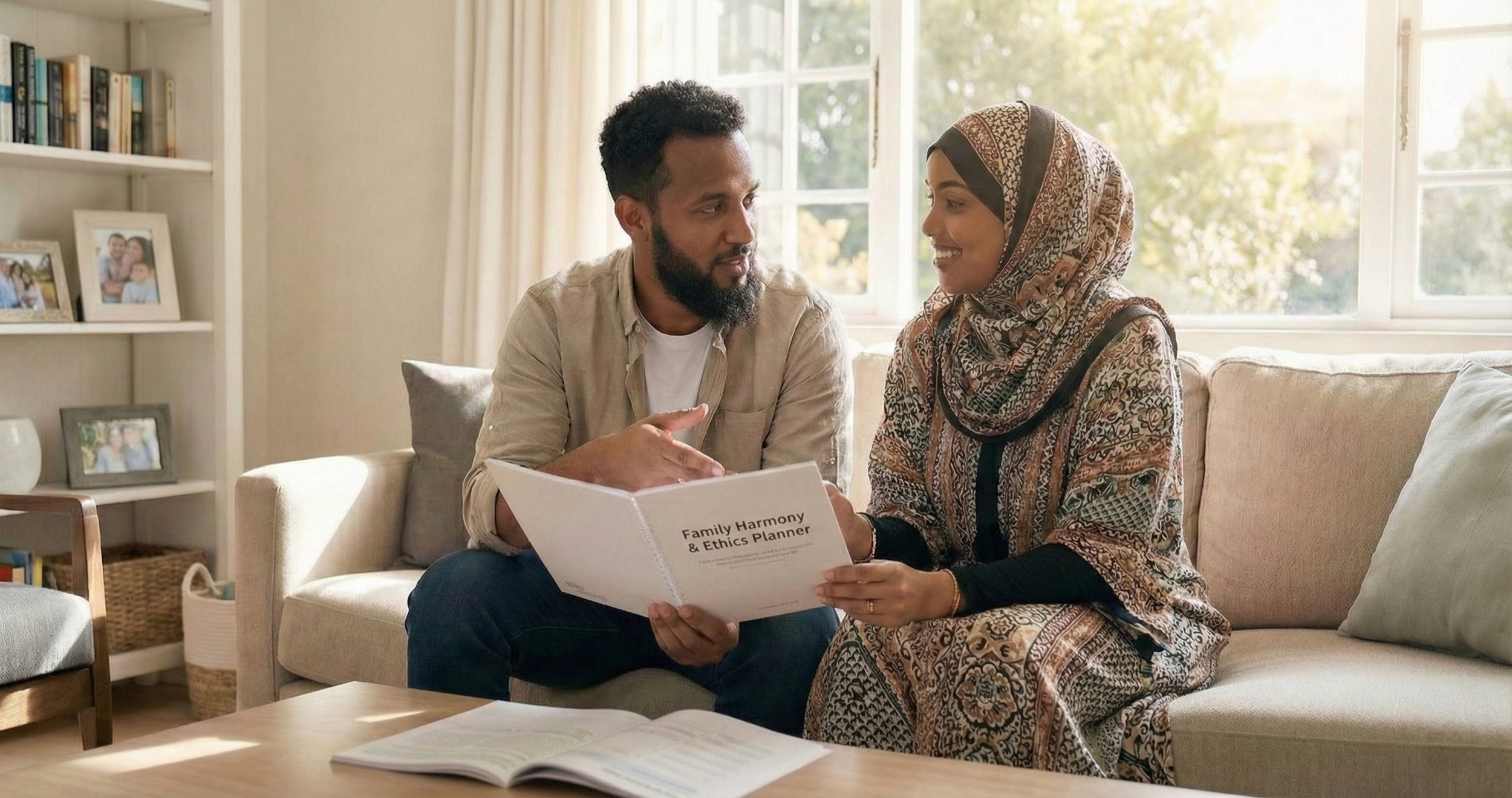
Family Management Ethics
EDM 1005: Family Management EthicsDescription
In 2018 data shows that the rate of divorce rose to 7.7 per 1,000 women in Minnesota. Even though this rate is low compare to other states in the US, however this rate is still high and require stakeholders to develop strategies to bring down the rate of family breakdown. It is true that measures such self-care and building supportive network play an essential role in stable marital life. In the meantime, offering educational programmes that are set to educate couples, particularly millennials, on the skills of family management are timely needed.
This programme targets couples who are engaged, newlywed and married couples who intends to know more about the significancy, aims and conditions of marital life. Its core elements are nurturing relationships, guidance and teaching, fostering well-being, developing responsibility, etc. It also addresses elements of parenthood. Parenthood involves raising a child, which involves providing care, guidance, and love to help them develop into a well-rounded adult.
Aims
To understand ways and means of fostering a stable, supportive environment by defining shared values and promoting respect, unity, and a strong sense of identity within the family.
Course contents:
Unit 1: Pre-marriage course
Marital life and its significancy
Marriage
Marital life aims
Unit 2: Family management skills
Problem-solving
Decision-making
Communication
Adaptability
Unit 3: Skills of Parenthood
Emotional regulation
Positive encouragement
Conflict resolution
Promoting independence
Love and caring
Crises management
Format
3-Week Course (2-hour session per week)
Schedule
Thursday, 3:00pm – 5:00pm (Online) [or] 6:00pm – 8:00pm (In-Person)
January
Session 1: Jan 1st
Session 2: Jan 8th
Session 3: Jan 15th
February
Session 1: Feb 5th
Session 2: Feb 12th
Session 3: Feb 19th
March
Session 1: Mar 5th
Session 2: Mar 12th
Session 3: Mar 19th
April
Session 1: Apr 2nd
Session 2: Apr 9th
Session 3: Apr 16th
May
Session 1: May 7th
Session 2: May 14th
Session 3: May 21st
Certificate
Certificate of course attendance will be provided upon course completion
EDM 1005: Family Management EthicsDescription
In 2018 data shows that the rate of divorce rose to 7.7 per 1,000 women in Minnesota. Even though this rate is low compare to other states in the US, however this rate is still high and require stakeholders to develop strategies to bring down the rate of family breakdown. It is true that measures such self-care and building supportive network play an essential role in stable marital life. In the meantime, offering educational programmes that are set to educate couples, particularly millennials, on the skills of family management are timely needed.
This programme targets couples who are engaged, newlywed and married couples who intends to know more about the significancy, aims and conditions of marital life. Its core elements are nurturing relationships, guidance and teaching, fostering well-being, developing responsibility, etc. It also addresses elements of parenthood. Parenthood involves raising a child, which involves providing care, guidance, and love to help them develop into a well-rounded adult.
Aims
To understand ways and means of fostering a stable, supportive environment by defining shared values and promoting respect, unity, and a strong sense of identity within the family.
Course contents:
Unit 1: Pre-marriage course
Marital life and its significancy
Marriage
Marital life aims
Unit 2: Family management skills
Problem-solving
Decision-making
Communication
Adaptability
Unit 3: Skills of Parenthood
Emotional regulation
Positive encouragement
Conflict resolution
Promoting independence
Love and caring
Crises management
Format
3-Week Course (2-hour session per week)
Schedule
Thursday, 3:00pm – 5:00pm (Online) [or] 6:00pm – 8:00pm (In-Person)
January
Session 1: Jan 1st
Session 2: Jan 8th
Session 3: Jan 15th
February
Session 1: Feb 5th
Session 2: Feb 12th
Session 3: Feb 19th
March
Session 1: Mar 5th
Session 2: Mar 12th
Session 3: Mar 19th
April
Session 1: Apr 2nd
Session 2: Apr 9th
Session 3: Apr 16th
May
Session 1: May 7th
Session 2: May 14th
Session 3: May 21st
Certificate
Certificate of course attendance will be provided upon course completion